© 2025 Geni Kapo • All Rights Reserved • Designed by Gurgenius Kapoor

Top
Back
Line 1
Rectangle

DRSL.

Digital Robotic Slit Lamp


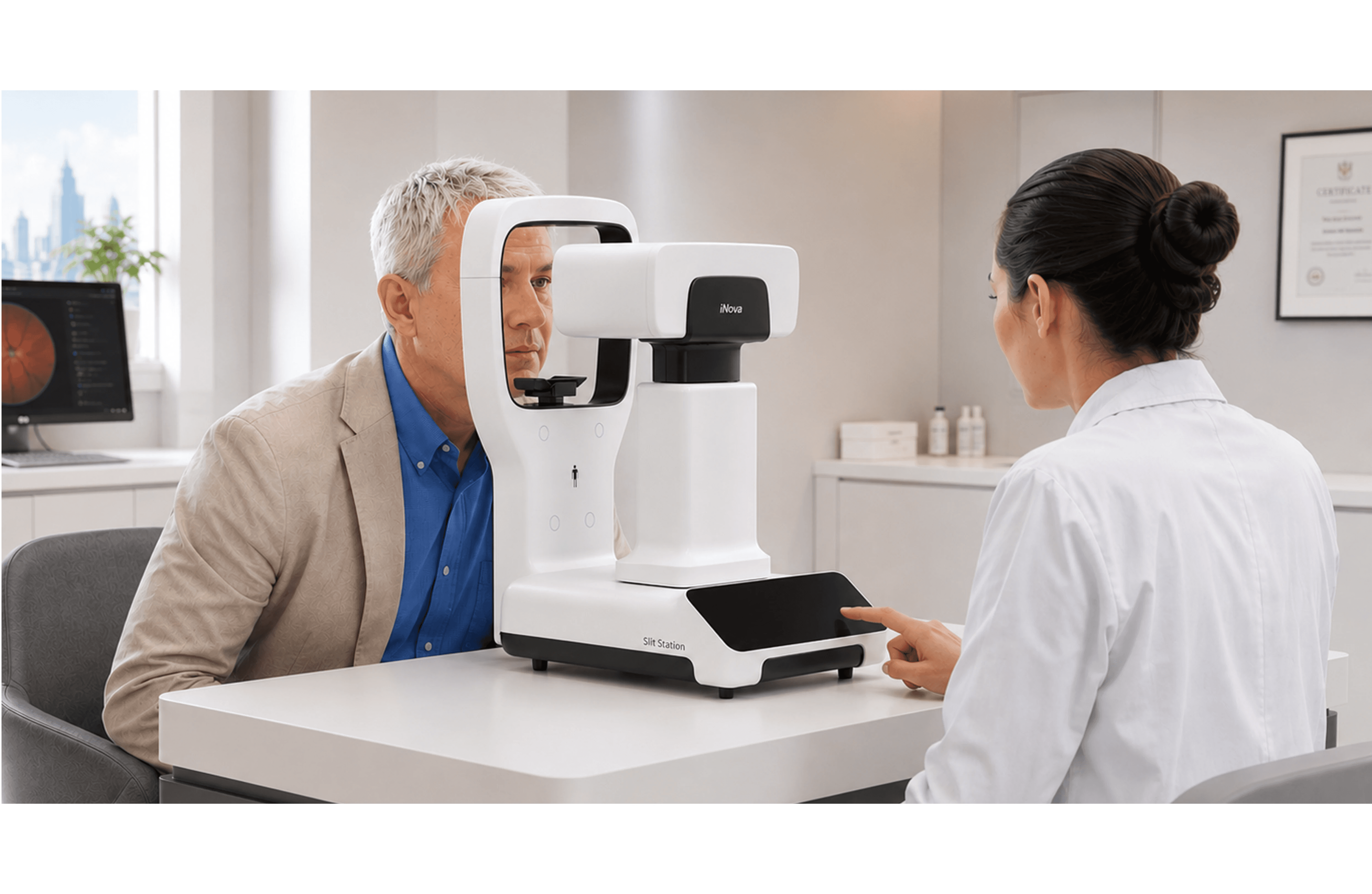
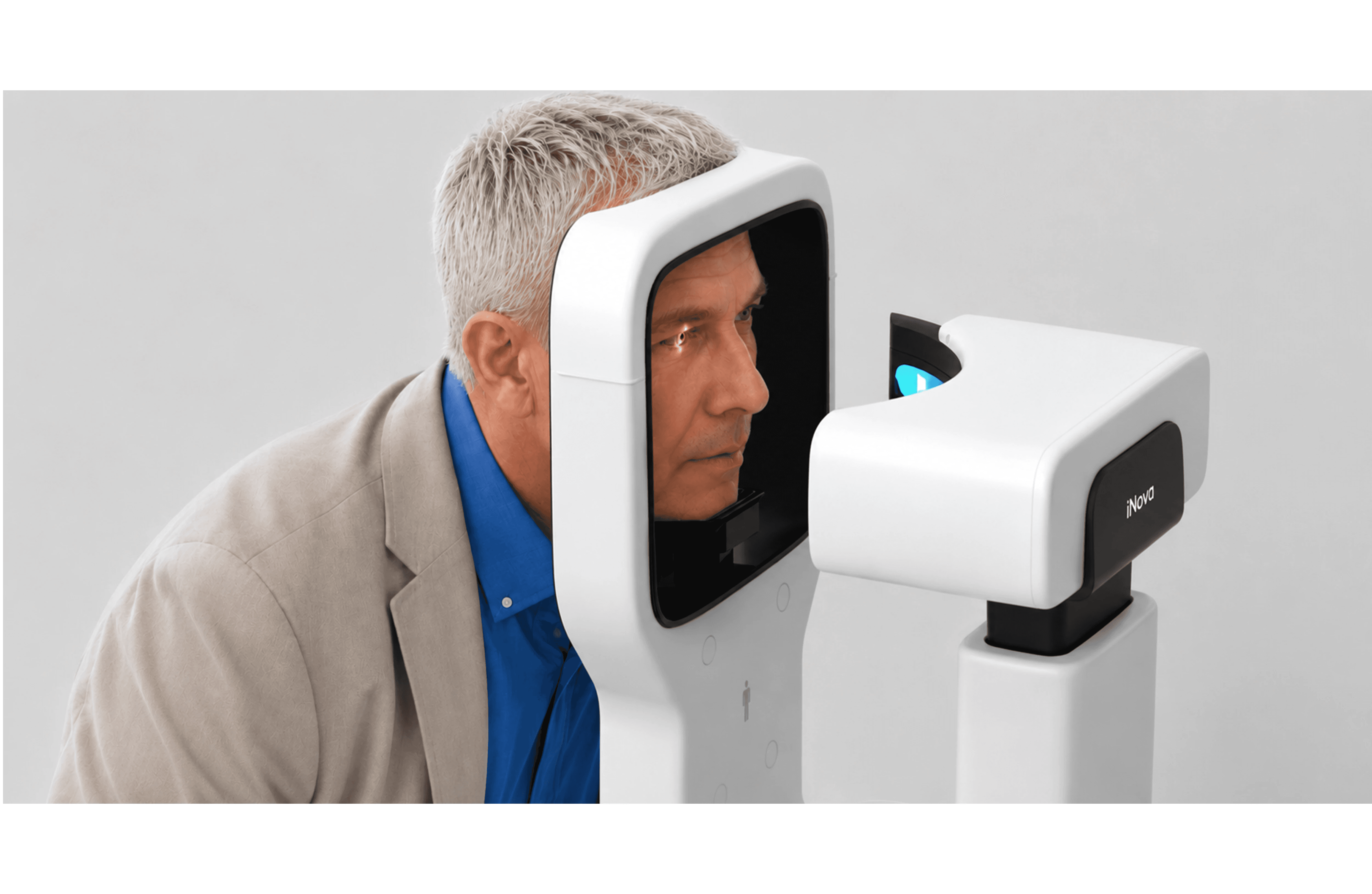
A traditional slit lamp is a diagnostic instrument used to examine the anterior and posterior segments of the human eye by projecting a focused beam of light onto the corneal surface. The binocular slit-lamp examination offers a stereoscopic, magnified view of the eye, enabling the diagnosis of various conditions such as glaucoma, age-related macular degeneration, and diabetic retinopathy. Our objective here was to automate the conventional slit lamp for deployment in mobile vision care centers worldwide. The system will enable ophthalmologists to operate the device remotely, capture high-resolution images of the eye, and deliver accurate diagnoses through an integrated digital interface.

Year

2024
Industry

MedTech

Contribution

Project Lead
Concept Development
Industrial Design
Mechatronics
User Experience
Alpha POC

Team

Gurgenius / ID-Mech
Adithya / Optics
Rangarajan / Software

Product study - Interactive components of a traditional Slit Lamp

As part of primary research, We delved into the anatomy of human eye and also understood the functionality of a traditional slit lamp, how it operates. We understood all the illumination techniques used by the ophthalmologists to identify and diagnose where various eye conditions.

image 12

Immersion fieldwork sessions

Multiple immersion sessions were conducted as part of fieldwork at Aravind Eye Institute, Madurai, in collaboration with expert ophthalmologists. These sessions aimed to understand the device’s operation and identify its critical functions. Key concerns related to usability and ergonomics, from both the specialist and patient’s perspectives, were carefully documented.

visit 1

Market Research

We conducted an in-depth study of the existing product and its various market iterations, along with competitor offerings, to understand recent advancements and product evolution. A detailed comparative analysis was carried out across all available models—from traditional to portable and handheld versions. We observed that as the device became more portable, certain features were progressively reduced or compromised.

image 13

Intended Ecosystem, User Error and Pain-point study

We conducted a detailed study of the workflow steps involved in product usage as per the requirements, followed by an analysis of use case errors and pain points. This helped highlight key design considerations relevant to the intended ecosystem.

image 6image 7

Proving concept via POC 1.0

The concept shown above was demonstrated in our lab to test the device’s remote functionality and assess partial automation via the user interface. It was assembled using readily available off-the-shelf components. Following the successful demonstration, additional functionalities were identified for future integration into the design.

image 5visit 2 1

Finalizing design requirement and Ideation

Based on PoC testing, functional requirements were finalized in line with current hardware and software capabilities. A list of design expectations, directions, and nice-to-have features was also outlined. The PoC was structured into four modules—optical, hardware, mechanical, and software. Industrial design concepts were developed based on key considerations and realized as detailed 3D CAD models.

Untitled 82 1ss 1

Internal track design for illumination column and imaging module based on specifications

A fully automated track was developed for the illumination column (0–180°) and imaging module (0–45°), enabling smooth, full-range motion in a compact form factor. The system uses N20 motors with a rack-and-pinion mechanism and can be mounted on a gantry or mechanical arm for versatile integration.

image 10

Mechanical Innovations

After multiple design and test iterations, we achieved precise slit width and height control in an ultra-compact form factor—just 3 cm in diameter and 20 cm in length. The motorized mechanism enables continuous slit adjustment from 0 to 12 mm in both width and height.

image 8image 9

POC 2.0

Finally a layout was finalized based on mechanical innovations and hardware constraints. The image above shows the rendered functional prototype, which was successfully executed and demonstrated live at Aravind Eye Hospital. The POC validated the promised remote and functional capabilities.

image 11
visit 5 15523 1
POC 2.0 being tested
Successful POC demonstration
xvxvxv 1
dgdgd 1

Focused slit projected on eye of patient

sadasd 2
Images captured by POC
Rectangle
Rectangle

Next steps

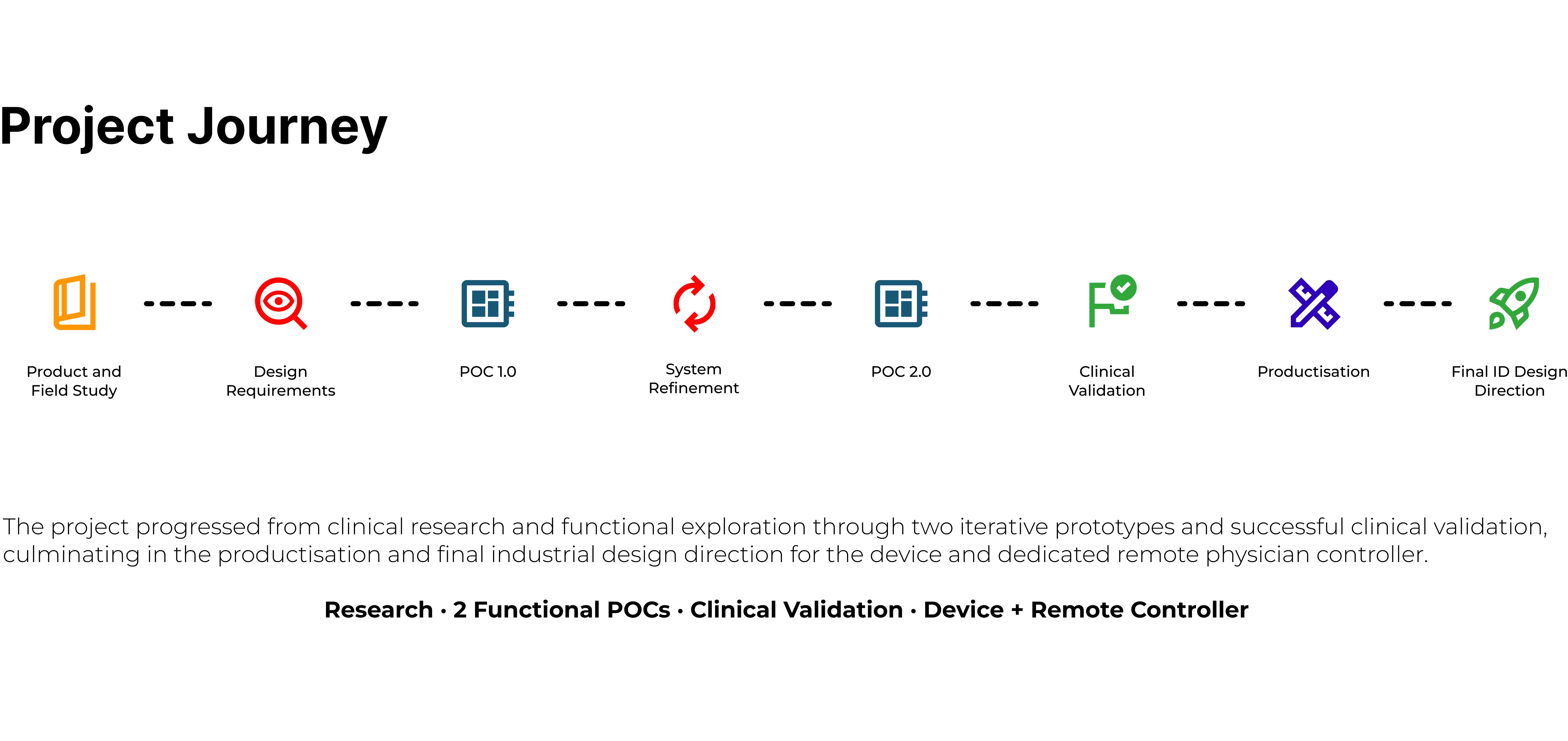
After successful testing and validation by doctors and professionals, the client has commissioned the next phase developing a market-ready prototype. This will involve custom-designed, miniaturized components replacing bulky off-the-shelf parts, along with added functionalities. The final version will undergo medical trials before commercial release.

Initial application Interface design (Low Fed)

image 24
Group 179
linkefd 1behance-logo-png-transparent 1
Innovator, Gurgenius Kapoor